


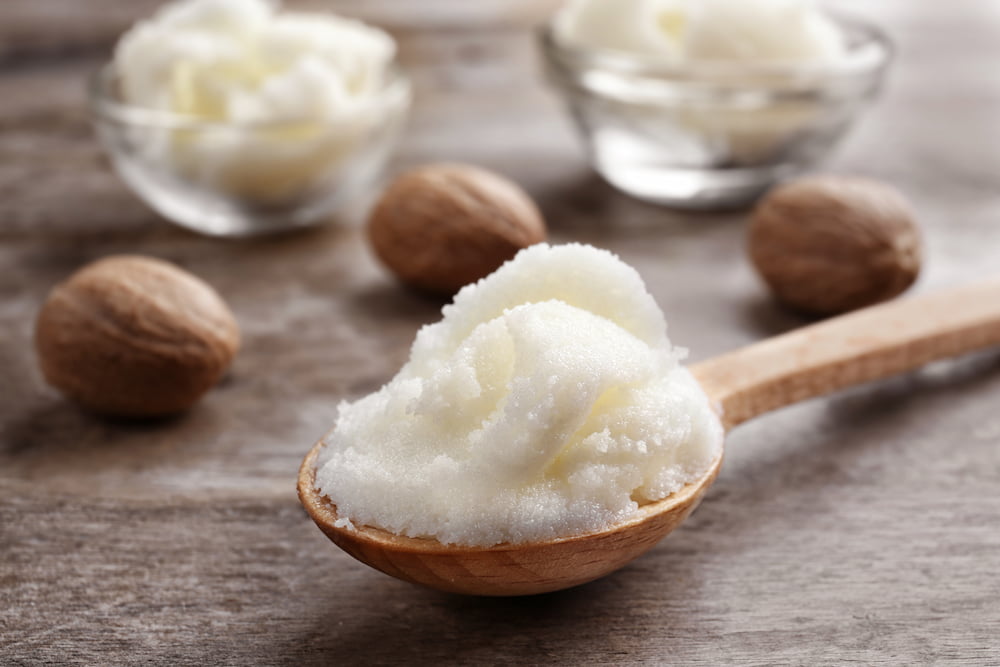
Shea butter is a creamy fat found in nuts growing from shea trees in African countries. When kept at room temperature, shea butter stays as a solid substance. Once in contact with the skin, however, it melts in the same way that coconut oil does.
Because it’s so prevalent in Africa, shea butter is also a core ingredient in many cuisines. In other parts of the world, it’s mainly used as one of the main ingredients in skin and hair care products due to its high concentration of vitamins and fatty acids.
These are only a few of the many benefits that made shea butter rise to global popularity.
If you need more convincing, a few more are listed below. Then, you’ll know why it’s a good idea to buy shea butter online or in stores.
It Relieves Dry Skin
Topping this list is the most sought-after benefit of shea butter: its moisturizing effect. Those suffering from dry skin can benefit from its fatty acids like stearic, palmitic, and linoleic acids. They lubricate the skin while creating a barrier that keeps the moisture in.
Individuals with oily skin can rely on their skin’s natural oil, or sebum, for this job. However, supplementing with a moisturizer helps keep the dewiness and plumpness for those with dry skin.
It Helps With Dermatitis, Eczema, And Psoriasis
People with skin conditions like dermatitis, eczema, and psoriasis have a higher need for emollients than others.
Thanks to shea butter’s anti-inflammatory and emollient properties, it’s an excellent product to use for soothing patients’ skin and reducing flaking and itchiness.
The great thing about shea butter is that it’s also fast absorbing, which means you get speedy relief from your flareups without being too harsh on sensitive skin.
Because it’s a natural ingredient, you’ll also worry less about adverse reactions than with synthetic, medicated creams.
It Is A Strong Anti-Aging And Anti-Free Radical Agent
Shea butter is one of the best anti-aging agents for the skin. Once applied, it can stimulate collagen production, the source of the skin’s youthful scaffolding protection.
Shea butter also contains vitamins A and E, which keep the skin radiant, supple, and well-nourished.
On top of that, this substance also has catechins. These compounds have antioxidant effects, protecting the skin against damage from free radicals.
With regular use, shea butter can reduce fine lines, premature aging, and wrinkles. Its anti-aging properties also increase circulation on the skin, promoting cell renewal and healthier skin.
It Relieves Skin Irritation
The anti-inflammatory properties of shea butter extend to other benefits beyond reducing redness and swelling. It’s why many people also use it to help reduce irritation. These include rashes due to itchiness, sunburn, and chapped lips.
Some also turn to it to avoid the side effects of certain skincare formulations. If you’re not careful with reading the ingredients on some skincare products, you could unknowingly use something that’s too acidic for your skin. If you experience reactions, you can try shea butter as a reliever and a natural alternative.
The skin irritations soothed by shea butter aren’t limited to those caused by certain care products. It can also deal with problems caused by styling tools like shaving razors. These often leave your skin dry and irritated, resulting in annoying bumps that appear after shaving.
An excellent way to prevent those bumps is to apply shea butter at least a day before shaving. This gives its components time to penetrate the skin, smoothening the skin and hair. Not only can it reduce the risk of irritation, but also make the shaving process quicker and easier.
It Helps Reduce The Onset Of Acne
While results on acne depletion are conflicting, it has been shown that shea butter also has good anti-bacterial properties. This could potentially reduce acne-causing bacteria on your face and skin.
In the same vein, this potent ingredient could also relieve fungal acne. Couple that with its anti-inflammatory properties, and it may provide a solution for reducing the frequency and intensity of acne breakouts.
Shea butter’s fatty acids reduce oil build-up on the skin, providing moisture and easing dryness. This could help lower the likelihood of acne caused by trapped oil and bacteria on dehydrated skin.
Of course, this doesn’t make shea butter a kind of cure-all for a lot of your health problems. What this list does show is how much this natural substance can offer for regular users. While it’s no substitute for actual treatment, you can’t deny how much it can help with common issues.
Consider talking to an expert about the benefits of shea butter and see if it’s right for you.
Shea Butter: A Good Health Must-Have
Shea butter has many other health benefits. But this list should provide enough to make it worthy of your consideration. Think about how much you get by making it a part of your daily life.
Make sure to buy your shea butter from ethical sources today.
Read Also
- Full-Arch Dental Tourism: Why UK Patients With Severe Bone Loss Are Looking Abroad
 Dental implants have become one of the fastest-growing segments of private dentistry. Within that market, one patient group behaves very differently from the rest: people who have been told they do not have enough upper jawbone for conventional implants. For these patients, the choice is rarely between one clinic and another. It is between a… Read more: Full-Arch Dental Tourism: Why UK Patients With Severe Bone Loss Are Looking Abroad
 - Levels of Mental Health Care and When to Seek SupportMental health care can range from occasional outpatient appointments to 24-hour hospital treatment. The appropriate level depends on safety, symptom severity, daily functioning, medical needs, available support, treatment history and personal preferences. A licensed clinician should assess these factors rather than relying on a symptom list alone. Need help now? In the United States, call… Read more: Levels of Mental Health Care and When to Seek Support
- How to Choose a Shilajit Brand Based on the ResearchIn a randomized trial published in the Journal of the International Society of Sports Nutrition in 2019, 63 active men took 250 mg of standardized shilajit, 500 mg, or a placebo every day for eight weeks, and the benefit for strength retention after a fatiguing workout appeared only at 500 mg. For anyone choosing a… Read more: How to Choose a Shilajit Brand Based on the Research
- How to Incorporate Relaxation into Your Busy ScheduleFinding balance when you have a packed daily agenda often feels out of reach. Between work duties, family obligations, and personal projects, personal rest usually gets pushed to the bottom of the list. Small, intentional shifts in daily habits can help restore calm without requiring hours of extra free time. Continue reading to discover everything… Read more: How to Incorporate Relaxation into Your Busy Schedule
- Red Light Therapy for Skin and Wellness: Meet Vital Red Light TherapyModern wellness is not always about complicated treatments or long routines. Many people are now looking for simple, convenient ways to support their skin, recovery, and overall wellness at home. One technology getting more attention is red light therapy. Red light therapy uses specific wavelengths of red and near-infrared light to support the body’s natural… Read more: Red Light Therapy for Skin and Wellness: Meet Vital Red Light Therapy





